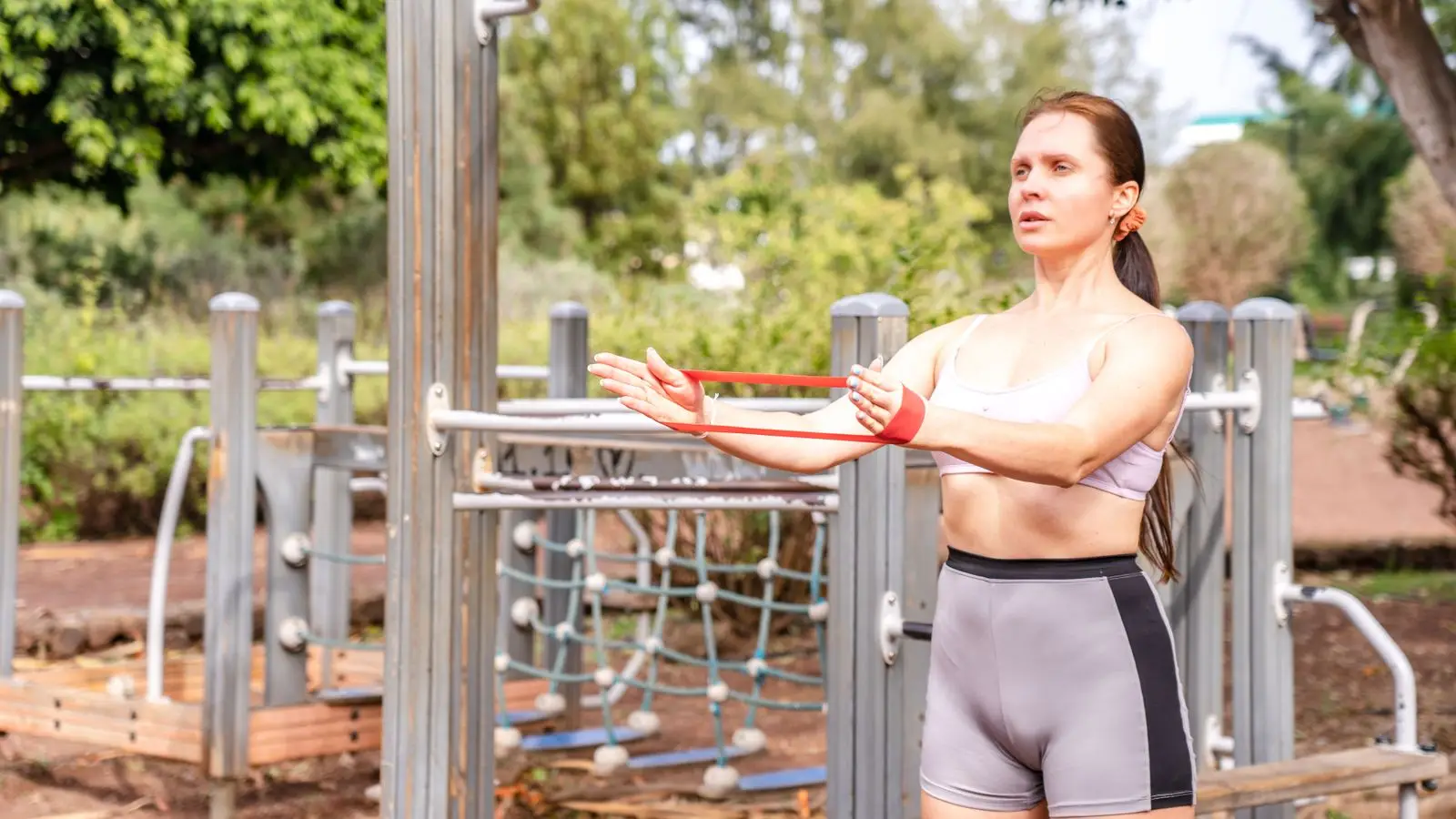
The start of a competitive season should not mean the end of strength training.
Many athletes stop lifting when practices, games, tournaments, and travel begin because they worry about fatigue or injury. However, completely removing strength work can make it harder to maintain power, stability, and resilience as the season progresses. A carefully adjusted program can help you stay strong without interfering with competition.
>>>Book an appointment online to create an in-season plan built around your sport and schedule.
Why Athletes Should Keep Lifting
Athletes often spend months improving strength, speed, coordination, and movement control during the offseason. When resistance training suddenly stops, those qualities can gradually decline.
Practices and games provide plenty of activity, but they do not replace the specific benefits of strength training. Sport participation may also overload certain muscles while leaving other important areas undertrained.
Our goal during the season is not to chase personal records. We help athletes maintain the strength they have already built while balancing competition, school, travel, sleep, and recovery.
What Happens When Strength Declines?
A loss of strength can affect athletes differently depending on their sport.
Soccer players may notice reduced hip and hamstring control when sprinting or changing direction. Basketball and volleyball athletes may lose some jumping power. Baseball players and swimmers may experience reduced shoulder or upper-back endurance.
These changes may seem small at first. Over a long season, however, they can affect performance and make it harder for the body to tolerate repeated practices and competitions.
Benefits of In-Season Strength Training
A well-planned program can support several important areas:
- Performance: Strength training helps preserve power, acceleration, jumping ability, and movement efficiency.
- Injury prevention: Strong muscles and controlled movement patterns help the body tolerate running, cutting, landing, throwing, and contact.
- Recovery: The right program can support movement quality without creating excessive soreness.
- Confidence: Athletes often feel more prepared when they know their bodies remain strong and capable.
Our Bulletproof Injury Prevention approach helps identify strength deficits, movement limitations, and training gaps before they become larger concerns.
In-Season Training Should Look Different
An in-season program should not copy an offseason routine. Training volume usually decreases because athletes are already managing practices, games, and travel.
That does not mean every workout needs to be easy. The program should still provide enough resistance to maintain strength while limiting unnecessary fatigue.
For many athletes, one or two focused sessions per week may be enough. The right frequency depends on age, sport, training experience, competition schedule, and current physical condition.
Reduce Volume Without Losing Purpose
Athletes generally need fewer total sets and repetitions during the season. Each exercise should have a clear purpose.
Replacing every movement with very light weights and high repetitions may create fatigue without maintaining the strength qualities needed for competition. We select loads that remain productive while reducing soreness and recovery demands.
Shorter sessions can still be effective when they focus on the movements that matter most.
Schedule Strength Work Carefully
Timing plays an important role in successful in-season training. Heavy lower-body lifting immediately before a game may affect speed, jumping, or reaction time.
We often schedule the most demanding session earlier in the week or at least a couple of days before competition. A second session may focus on upper-body strength, trunk control, mobility, or lower-intensity movement.
Tournament weekends, travel, school responsibilities, sleep, and soreness should also influence the schedule. Training should support performance, not compete with it.
Focus on Movement Quality
The competitive season is not the ideal time to add complicated exercises simply for variety. Athletes benefit most from movements they can perform confidently and consistently.
We emphasize controlled squatting, hinging, pushing, pulling, landing, and single-leg stability. Every exercise should support the demands of the athlete’s sport.
Pain should never be ignored. Our Physical Therapy team can evaluate discomfort, address movement restrictions, and modify training before a manageable concern becomes a larger injury.
Communication Prevents Overtraining
A strength session that looks reasonable on paper may be too much when combined with a difficult practice, several games, poor sleep, or ongoing soreness.
We encourage athletes to communicate changes in pain, energy, performance, and recovery. Coaches, parents, athletic trainers, and healthcare providers should also share information whenever possible.
This communication helps us decide whether training should be progressed, reduced, or temporarily modified.
Training for Different Sports
Nearly every athlete can benefit from strength maintenance during the season.
Football, basketball, soccer, volleyball, lacrosse, and track athletes rely heavily on lower-body power and stability. Baseball, softball, swimming, wrestling, and tennis athletes also need strong shoulders, backs, hips, and cores.
Our Sports Medicine team creates individualized plans for youth, high school, college, and adult athletes from Spokane Valley, Liberty Lake, and Spokane.
Finish the Season Strong
You worked hard during the offseason to prepare your body for competition. A strategic in-season program helps protect that progress by maintaining strength, managing fatigue, and supporting your performance throughout the schedule.
Call Lighthouse Physical Therapy & Sports Medicine at (509) 928-3443 or book an appointment online to create an in-season training plan that helps you stay strong from the first game to the last.