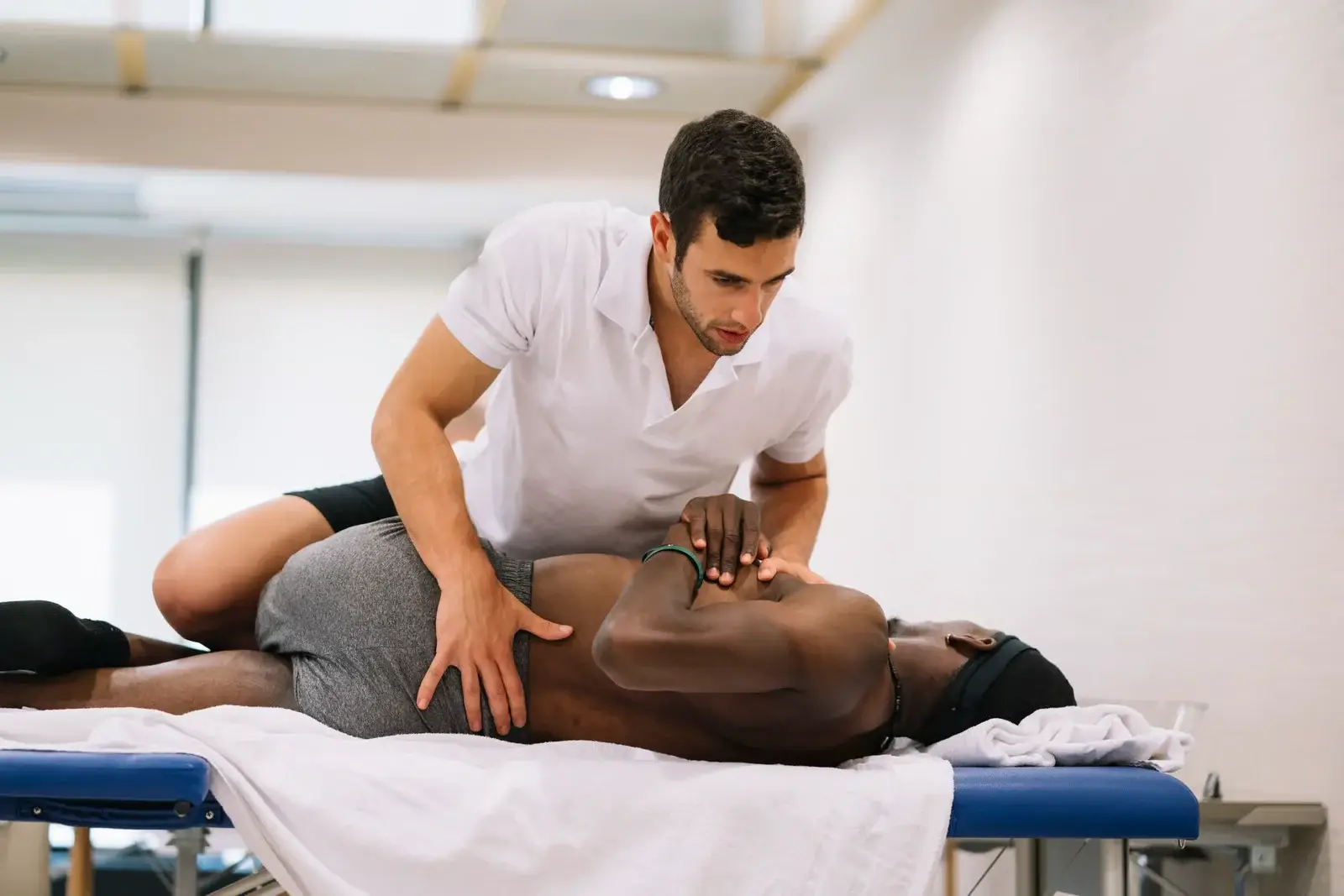
Athletes often treat recovery as whatever fits after the workout. But a massage the day before competition serves a different purpose than deeper work during a lower-load week. Timing, pressure, current soreness, and the next training demand all matter. Massage Therapy can be one part of a recovery plan, but it should complement sleep, nutrition, load management, and active preparation rather than replace them. Our Sports Medicine team can help connect recovery choices to the wider training plan.
>>> Want recovery support that fits your actual schedule? Book an appointment or call 509-928-3443.
Start With the Next Demand
Before choosing the timing or intensity of massage, ask what your body needs to do next. Are you preparing for a hard practice tonight, recovering from a weekend tournament, lifting tomorrow, or entering a lighter training block?
Close to competition, an athlete may prefer shorter, lighter work intended to support comfort and readiness. More intense pressure can leave some people temporarily sore, so it may fit better when there is time to recover and when the athlete already knows how they respond. A new technique on the morning of an important game is usually a poor experiment.
Massage Is Not a Performance Shortcut
Research does not show that sports massage directly improves strength, sprinting, jumping, or endurance. It may provide small improvements in flexibility and delayed-onset muscle soreness, and many athletes value how they feel afterward. That makes massage potentially useful, but not magical.
We frame it as a supporting tool. It does not replace progressive training, an appropriate warm-up, sufficient sleep, nutrition, or rehabilitation for an injury. A productive session should fit the athlete’s goals without making promises the evidence cannot support.
Match the Session to the Training Week
Athletes can think about massage in relation to three common windows:
- Before practice or competition: brief, familiar work that does not create lingering soreness
- After a demanding block: recovery-focused work when the athlete has time before the next high-intensity session
- During a lower-load period: an opportunity to address mobility or persistent soft-tissue concerns alongside active training
These are planning ideas, not rigid rules. The athlete’s health history, sport, injury status, and prior response should guide the choice.
Soreness and Injury Need Different Decisions
General muscle soreness after unfamiliar or hard exercise is different from sharp pain, swelling, bruising, joint instability, neurologic symptoms, or pain that changes mechanics. Massage may feel good when muscles are tired, but it should not delay evaluation of a possible injury.
If symptoms are localized, worsening, or repeatedly return with the same task, our one-stop model makes it easier to connect Massage Therapy with Physical Therapy or performance support when appropriate. The goal is a clear plan, not simply more treatment.
Recovery Still Depends on the Basics
Massage works best in a recovery environment that supports adaptation. That includes sufficient sleep, adequate food and fluids, reasonable spacing of hard sessions, and active recovery when appropriate. If every day is maximal, no single modality can erase the workload.
We may help an athlete look at the full week rather than one sore area. A tournament schedule, strength plan, travel, school, and practice all compete for recovery resources. Sometimes the most important change is adjusting volume or protecting an easier day.
Use Feedback to Refine the Plan
Notice how you feel during the session, later that day, and at the next practice. Did movement feel easier? Was soreness reduced? Did the pressure create tenderness that interfered with training? Those answers help determine timing and intensity for the next session.
Recovery is individual. A plan should remain flexible as the season, workload, and injury status change.
Put Recovery Into the Performance System
Lighthouse Physical Therapy & Sports Medicine brings physical therapy, sports medicine, training, massage, and wellness together for athletes and active adults in Spokane. That coordination helps keep massage in the right role: a useful option within a larger performance and recovery strategy.
If you want to plan Massage Therapy around practices, games, lifting, or rehabilitation, book an appointment or call 509-928-3443.