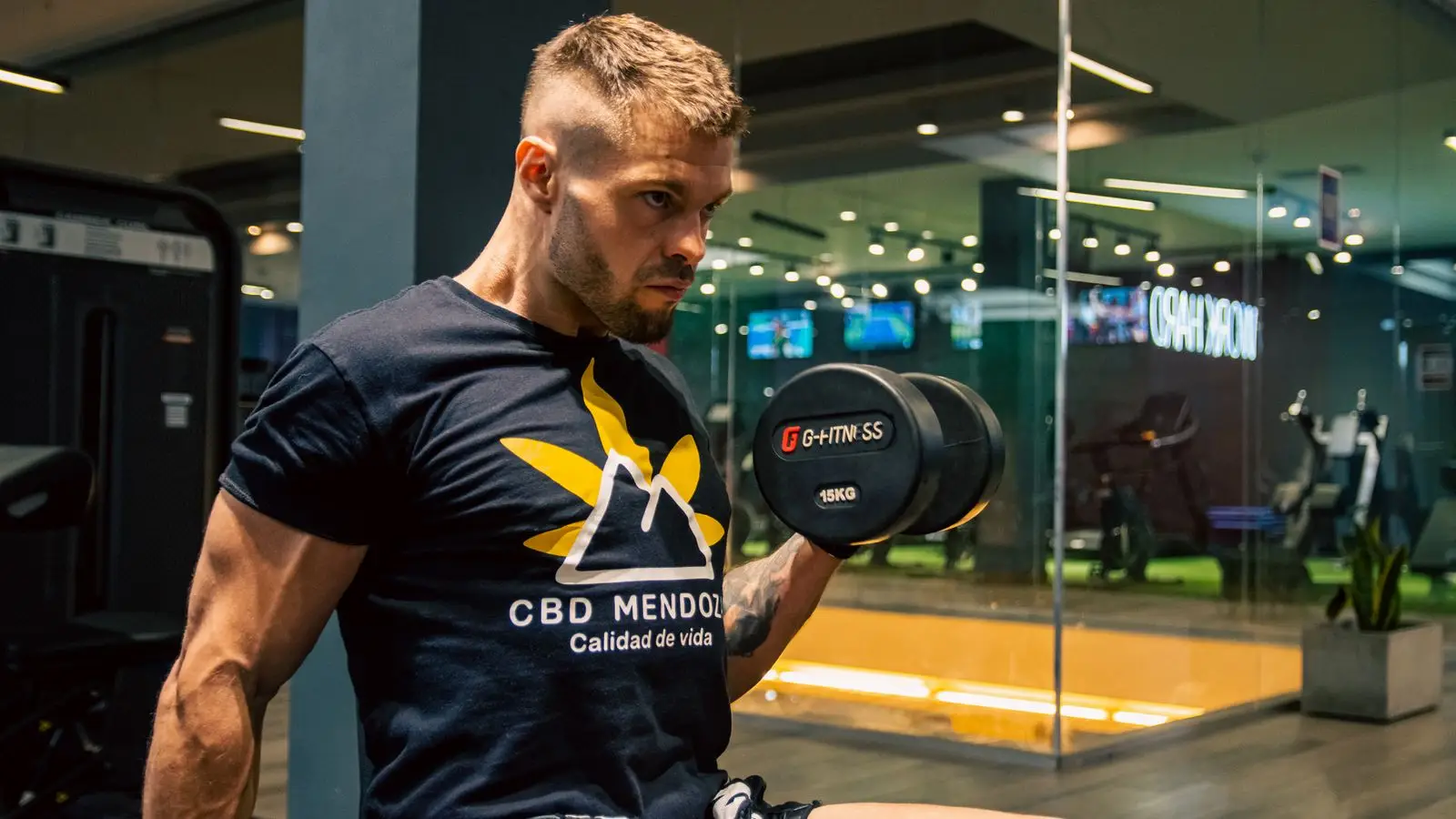
We all know the feeling of waking up sore after a tough workout or long day of activity. But what if your pain doesn’t go away—or keeps coming back stronger?
There’s a fine line between normal muscle soreness and something more serious. In our clinics across Spokane, Spokane Valley, and Liberty Lake, we see patients every week who waited too long to address pain, thinking it was just temporary discomfort.
Knowing the difference between soreness and a deeper issue can mean the difference between a quick fix and a long recovery.Don’t wait until pain sidelines your goals.
>>>Book your evaluation today and let’s get to the root of it.
Soreness vs. Pain: Why the Distinction Matters
Soreness is your body’s natural response to stress. It often shows up 24–48 hours after exercise, especially if you’ve pushed your limits. This kind of discomfort usually fades on its own and doesn’t interfere with movement or function.
Pain, on the other hand, is your body’s warning system. It may signal inflammation, tissue damage, or faulty movement patterns that are wearing down joints or muscles over time. When pain persists beyond a few days, worsens with activity, or causes you to compensate, it’s time to take a closer look.
As movement experts, we evaluate not just your symptoms but the way your body is functioning as a whole. Here’s how we help you recognize the warning signs that your pain may be more than just muscle fatigue.
How to Tell When Pain Isn’t Just Soreness
1. Your Pain Lasts Longer Than 72 Hours
True muscle soreness tends to resolve within two to three days. If you’re still feeling sharp, aching, or throbbing discomfort after that point, your body may be trying to tell you something is wrong.
In our Spokane-area clinics, we often see athletes and active adults who thought their lingering pain was normal, only to discover underlying issues like tendonitis, joint inflammation, or small muscle strains that never fully healed. Pain that lingers longer than 72 hours—especially if it worsens with activity—shouldn’t be ignored.
2. The Pain Is Sharp, Stabbing, or Radiating
Soreness is generally dull and achy, sometimes accompanied by stiffness or mild tenderness. Sharp or shooting pain, especially if it radiates down a limb or feels like it’s traveling through your back, shoulder, or neck, usually indicates nerve involvement or structural dysfunction.
This type of discomfort may signal a disc issue, nerve impingement, or even muscle tears that require more than rest and stretching. We use tools like ultrasound imaging to pinpoint the exact source of pain and create a plan to address it early—before it worsens or becomes chronic.
3. You’re Changing How You Move to Avoid It
If you start limping, shifting your weight, or avoiding certain movements without thinking about it, your body is compensating for pain. And that compensation can lead to even bigger problems.
Here’s what we often observe in patients before they realize it:
- Subtle limping or offloading one leg
- Avoiding full range of motion in a painful joint
- Turning movements into awkward, stiff patterns
- Overusing another part of the body to complete a task
During a physical therapy evaluation, we’ll track these movement changes to correct them early—before they cause more harm.
4. The Pain Disrupts Your Sleep or Daily Activities
If pain is waking you up at night, interfering with your ability to sit, stand, walk, or train, it’s not something you should push through. Soreness might feel uncomfortable at times, but it usually doesn’t stop you from functioning.
We’ve worked with patients in Liberty Lake and Spokane Valley who initially tried to “rest it off,” only to find the pain began limiting their productivity at work, making it hard to care for their kids, or preventing them from participating in sports or hobbies. Pain that gets in the way of everyday life is your body’s way of asking for help.
5. You’ve Been Through the Cycle Before
If this isn’t the first time you’ve dealt with this pain—or if you feel like you’re stuck in a cycle of recurring discomfort—it’s time for a more strategic approach.
Many of our patients arrive after months of chasing symptoms: stretching, foam rolling, taking anti-inflammatories, or resting just long enough to feel better—only for the pain to come back once they resume activity. That’s why we take a full-body, movement-based approach to care. We don’t just treat the pain—we find and fix the root cause.
We also provide deep tissue laser therapy and medical massage for cases where inflammation or soft tissue restriction is a major factor. These services help speed up healing, restore mobility, and complement your therapy sessions.
Getting to the Root of the Problem
Understanding these clues can help you make informed decisions about your health and recovery. Pain is not something to “tough out.” When caught early, many injuries can be resolved quickly and completely. But when ignored, they often grow into more complex issues that require longer recovery times.
In our clinics across Spokane, Spokane Valley, and Liberty Lake, we take a personalized approach to care. Whether you’re an athlete, an active parent, or simply someone who wants to feel better in their body, our team will guide you through a thorough evaluation, hands-on treatment, and a customized plan to help you move pain-free again.
We’re not just here to treat injuries—we’re here to prevent them, optimize performance, and support your long-term health goals.
It’s Time to Stop Guessing
If you’re still wondering whether your pain is just soreness, don’t wait for it to become something more serious. Trust your gut—and trust your body.
Call us at (509) 928-3443 or book an appointment online to get started with a personalized evaluation today.